

A Forgotten Blueprint for Grassroots Resistance Against Systemic Oppression
In the heart of the Great Depression, when banks foreclosed on hundreds of thousands of farms across the American Midwest, a quiet but powerful rebellion emerged: penny auctions. These community-led acts of defiance weren’t just about saving land – they were about preserving dignity, unity, and a way of life under siege. Today, as many feel the weight of rising costs, globalist agendas, and economic control, the story of penny auctions offers a timeless lesson in resistance and solidarity.
🧱 What Were Penny Auctions?
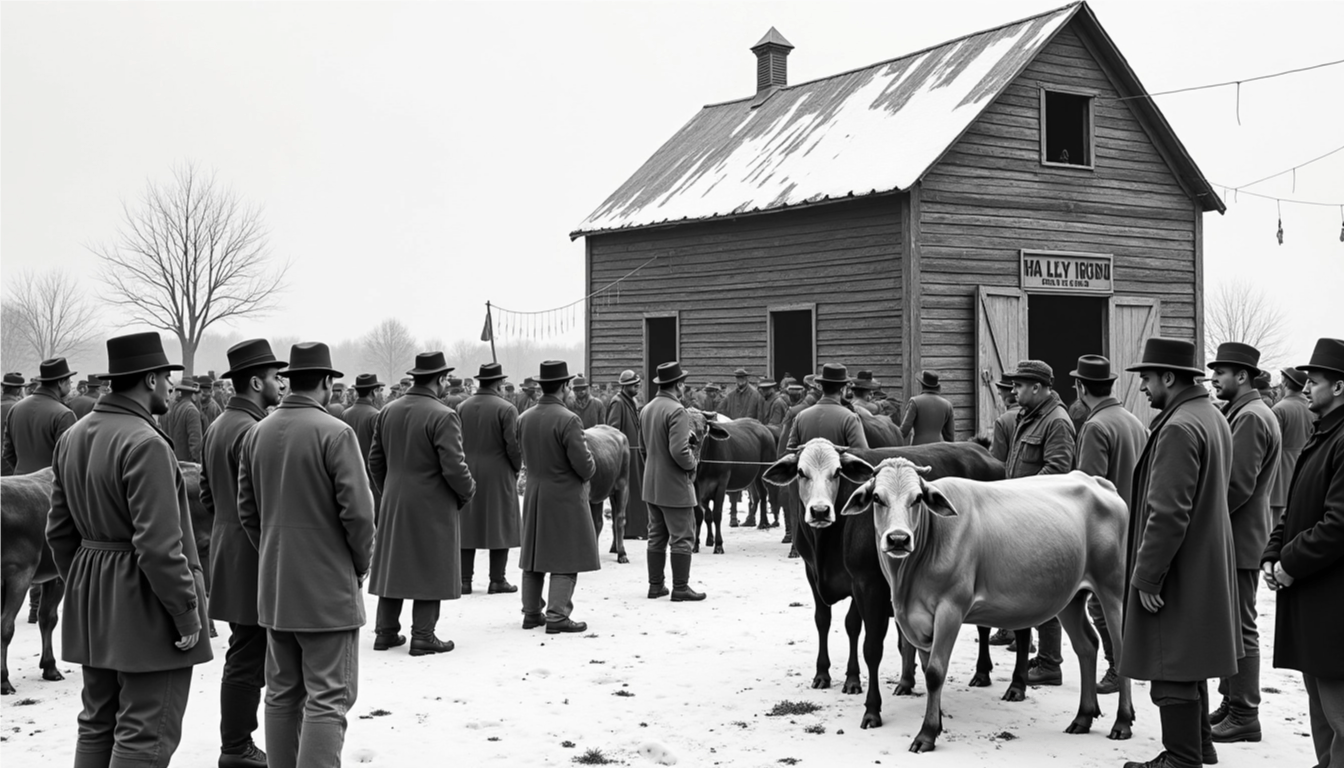
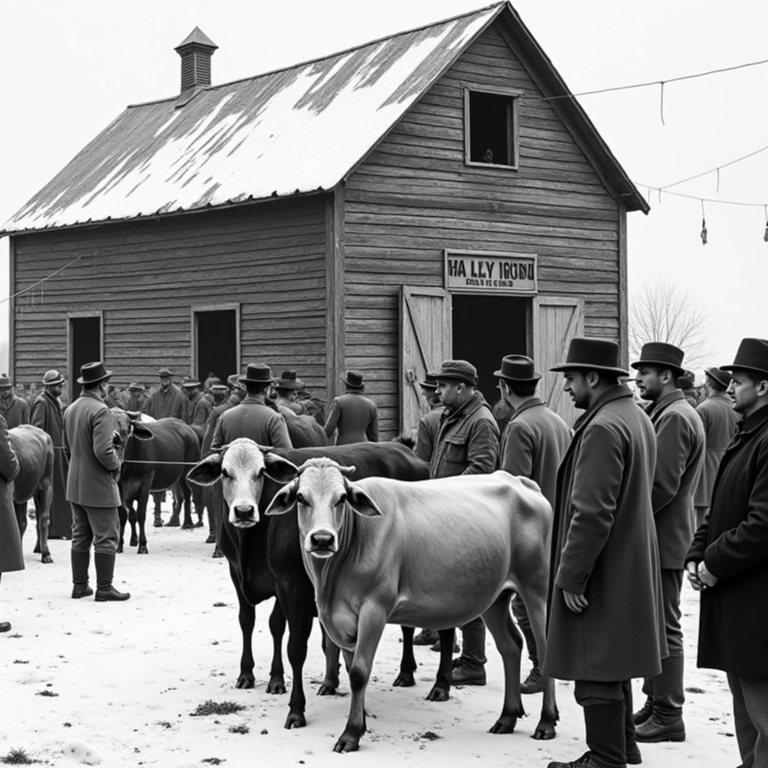
Penny auctions were grassroots protests where local farmers gathered at foreclosure sales and agreed to bid only pennies on repossessed property. The winning bidder – often a trusted neighbour – would then return the land or equipment to the original owner. Outsiders who tried to bid competitively were met with intimidation, and in rare cases, symbolic warnings like nooses hung from barn rafters.
🧾 Verified Facts
- Penny Auctions were a real form of protest during the Great Depression. When farms were foreclosed, communities would gather and agree to bid only pennies on items, ensuring the bank received little and the property could be returned to the original owner.
- Community Solidarity was central to these events. Farmers protected one another from losing their land, often using intimidation to prevent outsiders from bidding competitively.
- Nooses as Warnings: In at least one documented case in Michigan (May 1936), hangman’s nooses were visibly hung at a foreclosed farm auction as a warning to “squirrelly bidders” who might break the pact.
- Farmer’s Holiday Association: This was a real movement formed in 1932 to protest foreclosures and falling farm prices. They organized strikes and penny auctions to resist economic injustice.
- Scale of Foreclosures: By 1933, over 200,000 farms had been foreclosed across the Midwest, fueling widespread unrest and grassroots resistance.
These auctions weren’t just economic manoeuvres – they were acts of collective defiance against a system that had failed them. The Farmer’s Holiday Association, formed in 1932, organized many such events, demanding a halt to foreclosures and fair prices for agricultural goods.
🌍 A Mirror to Today’s Struggles
Fast forward to the present, and many feel echoes of that era: rising taxation, inflated living costs, and centralized control over resources. The globalist push – whether through economic policy, digital surveillance, or media manipulation – often leaves individuals feeling powerless. But the penny auction story reminds us that grassroots unity can disrupt even the most entrenched systems.
Just as farmers once stood shoulder to shoulder to protect their neighbors, today’s communities can reclaim agency through local action, mutual aid, and decentralized organizing.
🔥 Lessons for Modern Resistance
- Solidarity is power: When people unite around shared values, they become harder to divide or control.
- Local action matters: Change doesn’t always start in parliaments or boardrooms – it begins in neighbourhoods.
- Symbolism fuels courage: The nooses weren’t just threats – they were reminders that betrayal had consequences, and loyalty was sacred.
- Economic defiance works: Strategic disruption of financial systems – like refusing to participate in exploitative markets – can shift power dynamics.
🧠 Final Thought
As philosopher Alan Watts once said, “You are under no obligation to be the same person you were five minutes ago.” The same applies to societies. We are not bound to accept systems that erode our peace, freedom, or humanity. The penny auction legacy is proof that resistance doesn’t require violence – it requires vision, unity, and courage.
📚 Sources & Further Reading
- Penny Auctions – Living History Farm
- Penny Auctions – Encyclopedia.com
- Farmers’ Holiday Association – Spartacus Educational
- Penny Auction (Foreclosure) – Wikipedia




Leave a Reply