

TrendTracker · Market Intelligence Bureau · April 2026
Some stories don’t end. They just go quiet.
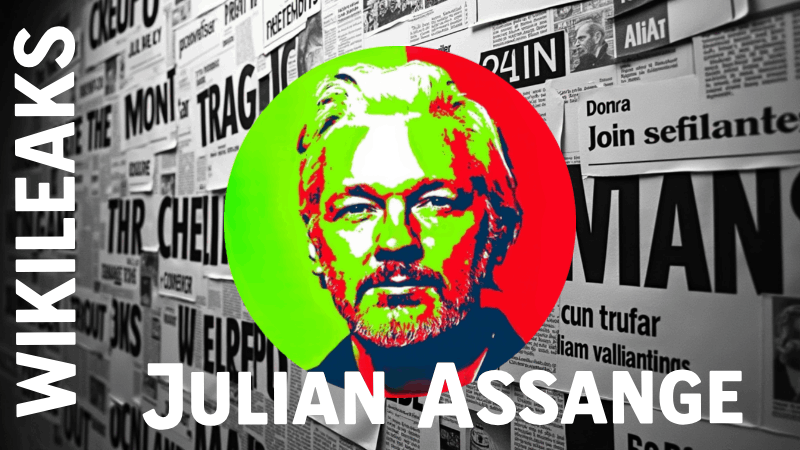
WikiLeaks went quiet in 2021. Julian Assange went free in June 2024. And the platform that changed how the world thinks about government secrecy is still sitting at an uncertain crossroads – neither dead nor fully alive.
We ran WikiLeaks through the CGEN Intelligence Engine. Here is what came back.
What WikiLeaks Actually Was
Before the legal saga, before the headlines, before the years in Belmarsh Prison – WikiLeaks was a technological and journalistic breakthrough.
Founded in 2006 by Julian Assange, the platform solved a problem that no one had solved before: how do you allow whistleblowers to submit classified documents anonymously, at scale, without getting caught? The answer was a secure submission system combined with editorial judgment about what to publish and when.
The results were extraordinary. More than 90,000 classified US military documents on the Afghanistan war. 400,000 on Iraq. The Collateral Murder video showing a US Apache helicopter killing 12 people including Reuters journalists. NSA surveillance documents. Diplomatic cables. Democratic Party emails. Ten million documents in total – a body of evidence that permanently altered public understanding of how governments actually behave when they think no one is watching.
What It Cost
The financial blockade came first. US companies cut off 95% of WikiLeaks’ revenue from donors almost overnight. At its peak WikiLeaks had been receiving €100,000 a day. After the blockade it was fighting for survival.
Then came the legal war. Years of confinement in the Ecuadorian embassy. Then Belmarsh Prison. Then a plea deal in June 2024 that ended Assange’s legal ordeal but required him to plead guilty to a single count under the Espionage Act – making him, as he told European lawmakers in October 2024, the first journalist ever convicted under that law.
He called it being forced to “plead guilty to journalism.”
The platform itself has published no new leaks since 2019. No news about itself since his release. Numerous documents on its website became inaccessible from November 2022. The editor-in-chief, when asked about Assange’s future role, said only: “I’m certain there will be a role.”
What the Engine Said
The CGEN Intelligence Engine generated this report using live web search – one of the platform’s most recent upgrades. Where earlier reports were limited to AI training knowledge frozen in early 2025, the engine now searches for current information before writing. The WikiLeaks report reflects events through April 2026 – including Assange’s release, his public statements, and the platform’s current operational silence.
This matters for a report about WikiLeaks specifically. The story has been moving. The upgrade means CGEN’s Intelligence Engine can now track it in real time.
The one-line verdict the engine produced:
“A revolutionary but largely defunct platform that changed whistleblowing forever while paying an existential price for challenging government secrecy.”
What It Means
WikiLeaks proved something that couldn’t be unproven: radical transparency is technologically possible. The documents exist. The server architecture exists. The will to publish exists somewhere.
What WikiLeaks also proved – and this is the harder lesson – is that institutions with sufficient power and resources can dismantle almost any individual or organization that challenges them directly, regardless of the legal or moral merit of their position.
The newer platforms that emerged to fill the void – DDoSecrets, SecureDrop, The Intercept – operate with different models, lower profiles, and lessons learned from watching what happened to WikiLeaks and its founder.
Whether Assange returns to publishing, whether WikiLeaks publishes again, whether the platform finds a second chapter – none of that is certain. What is certain is that the question WikiLeaks asked in 2006 is still the right question:
What happens when the people who are supposed to tell us the truth decide not to?
The answer, it turns out, is that someone else will. Eventually. At a cost.
About This Report
Intelligence Report #0020 — WikiLeaks. Generated by the CGEN Intelligence Engine at c93n.com using live web search integration. This is part of the TrendTracker Market Intelligence Bureau — structured intelligence published without editorial opinion.







Leave a Reply
You must be logged in to post a comment.